The Building

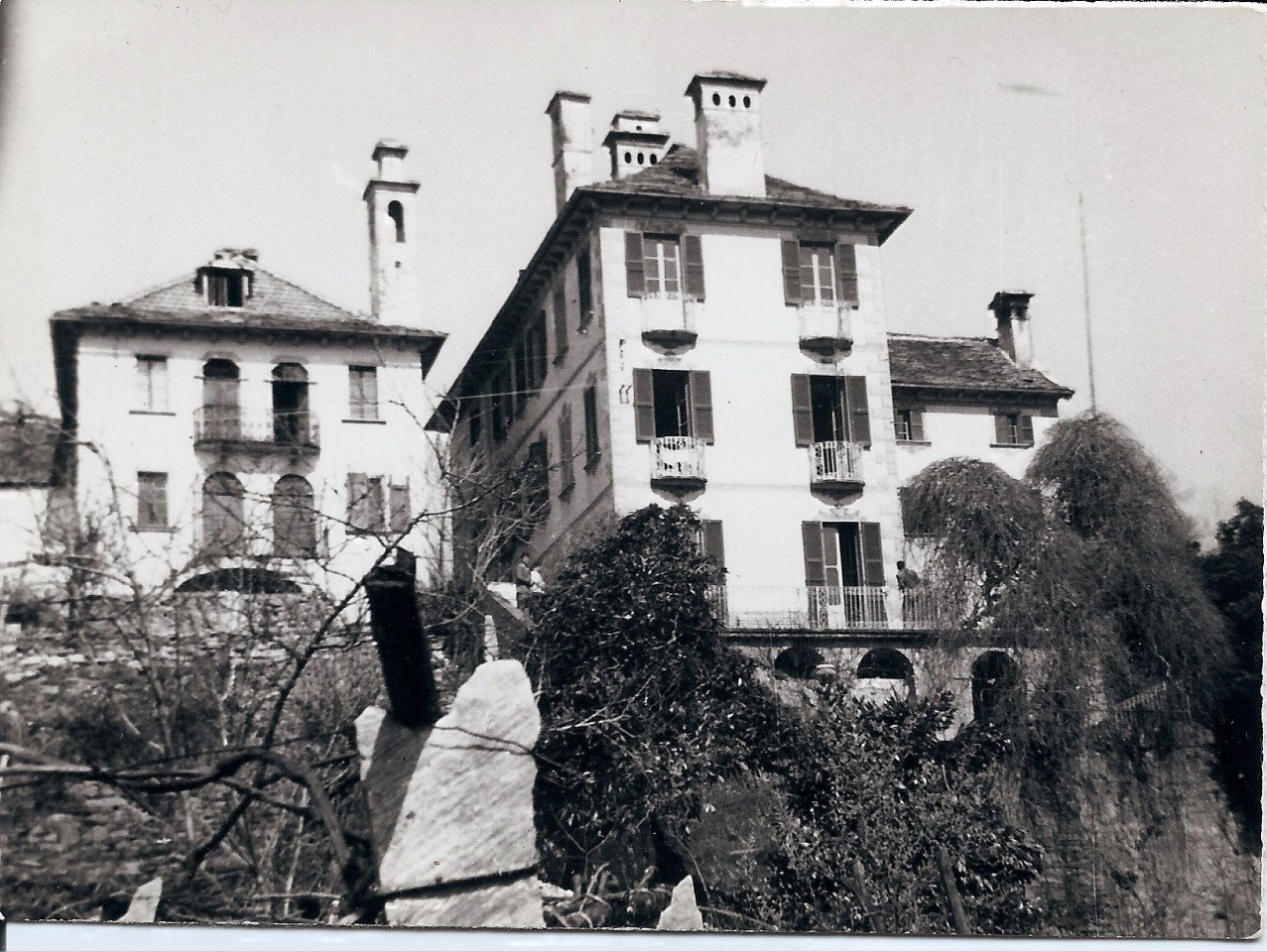
Building pre-intervention

Building pre-intervention: dms.jpg

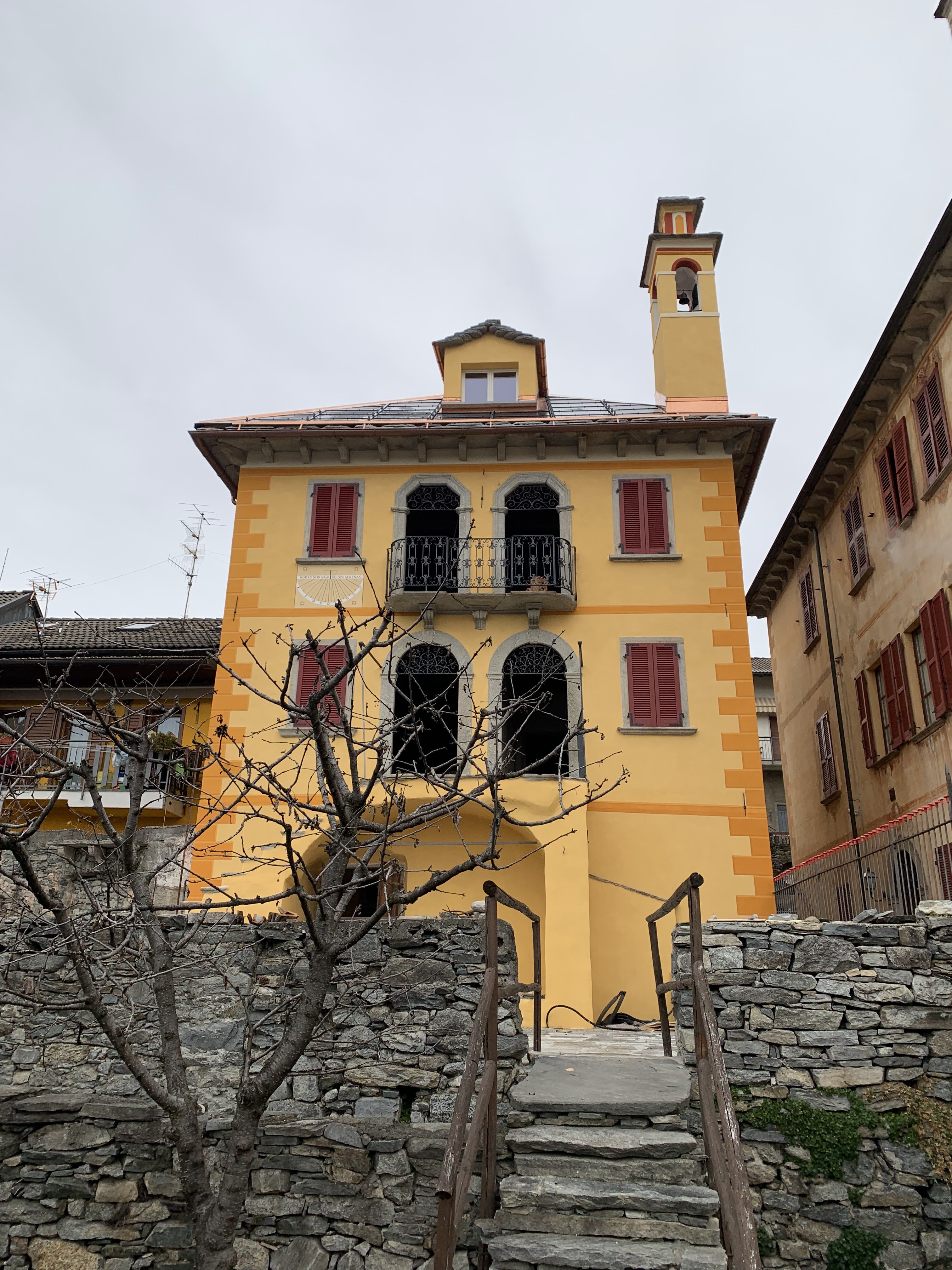
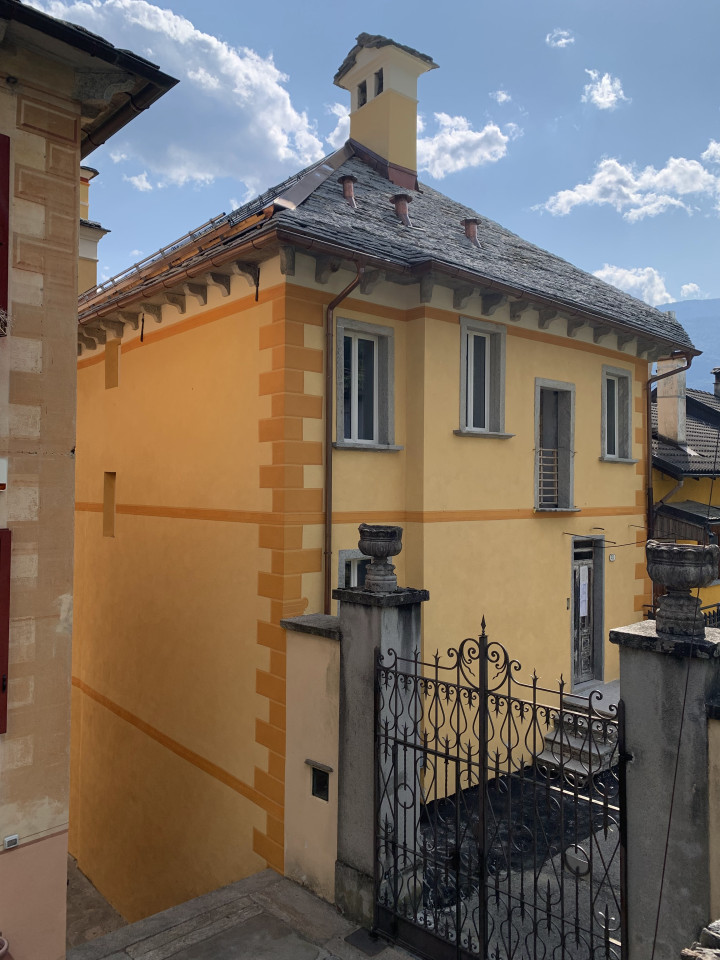
Building post-intervention

Building post-intervention: dm1.jpg
Building post-intervention: dm2.jpg

Dimora storica Montecretese

The building is under protection being within the perimeter of ancient cores of specific historical and architectural interest.
The Solution

Solution post-intervention

Solution post-intervention: dm3.jpeg
Solution post-intervention: dm4.jpeg
Solution post-intervention: dm5.jpg
Solution post-intervention: dm6.jpg
What is the Solution?

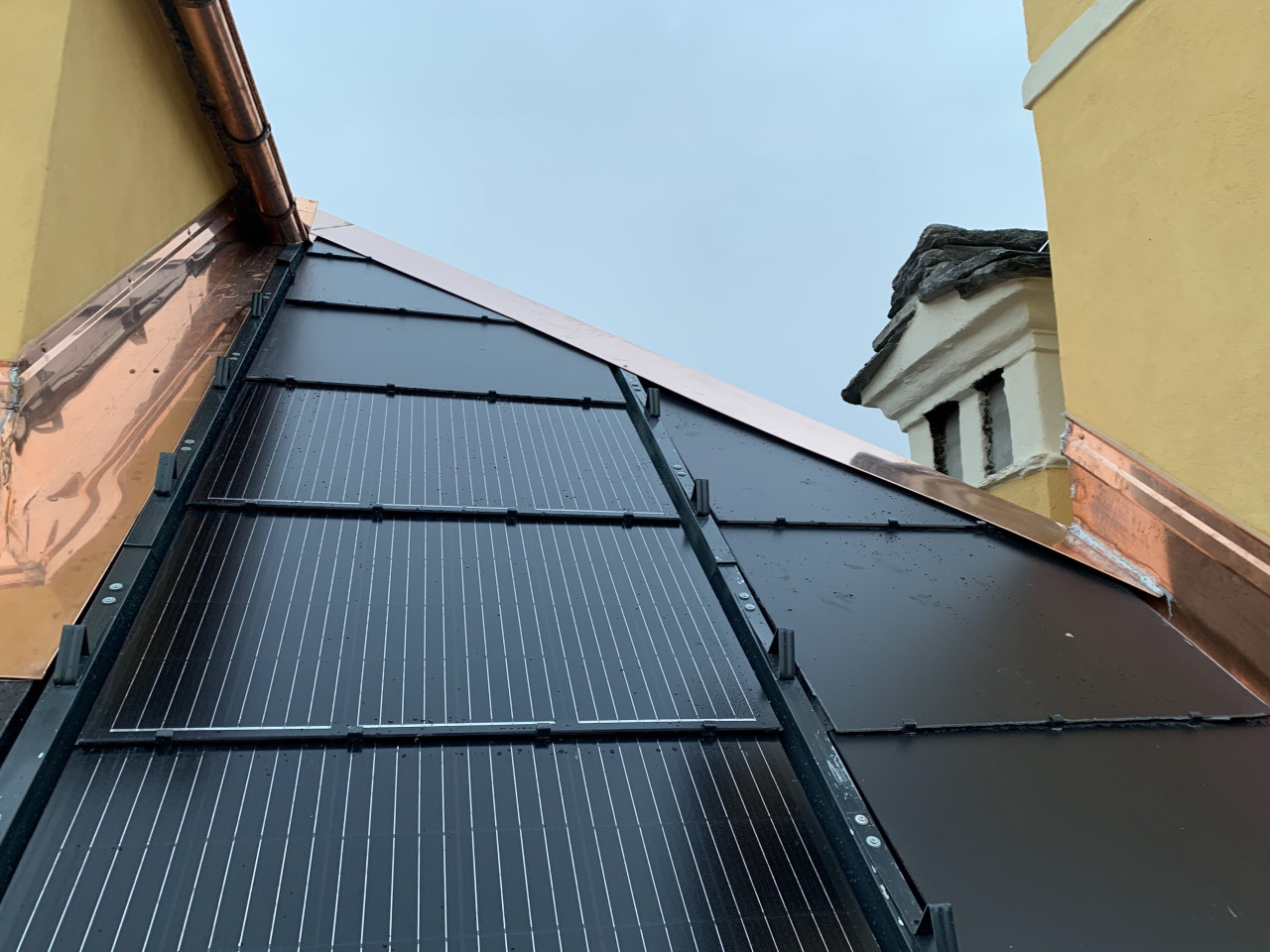
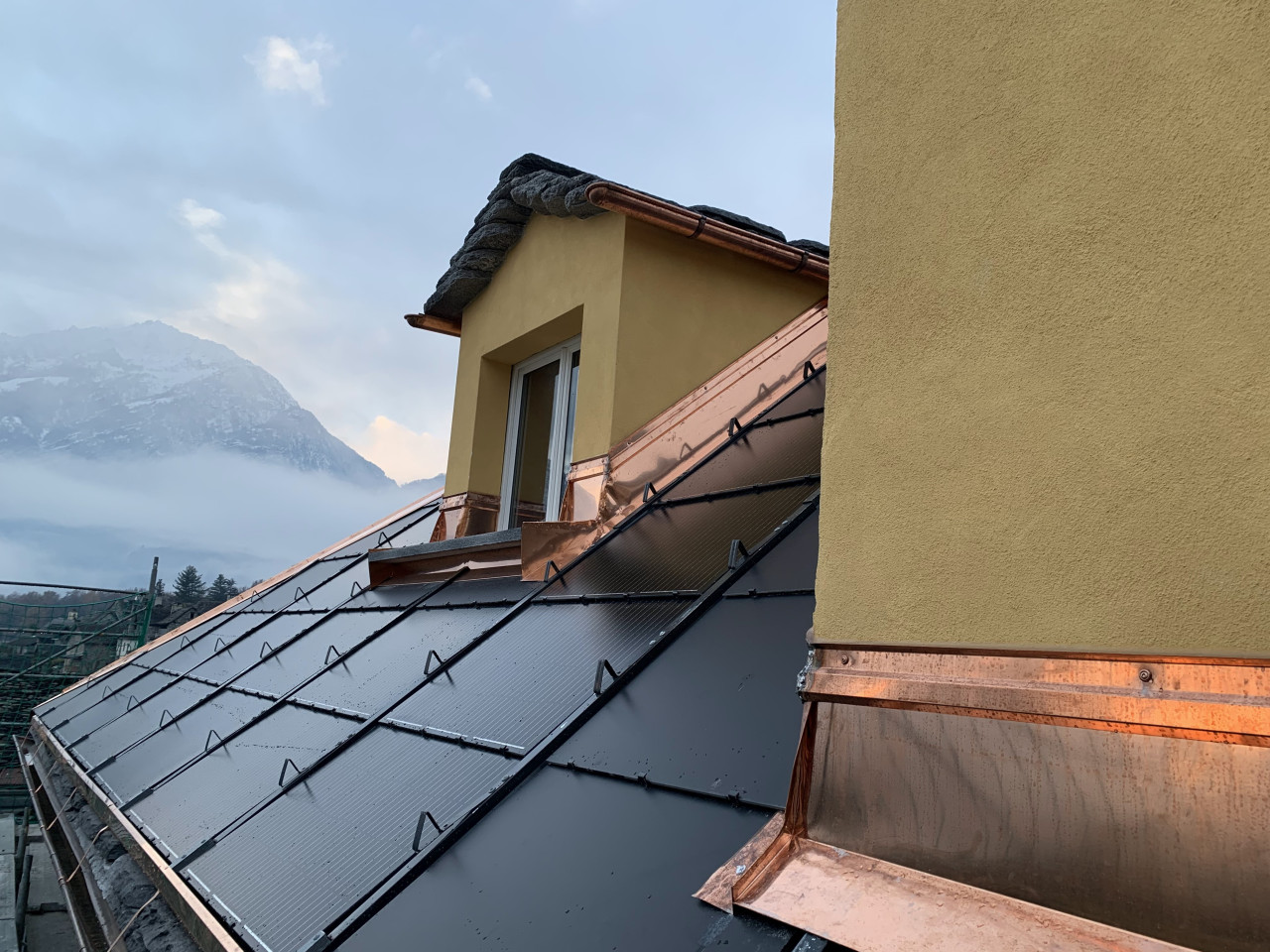
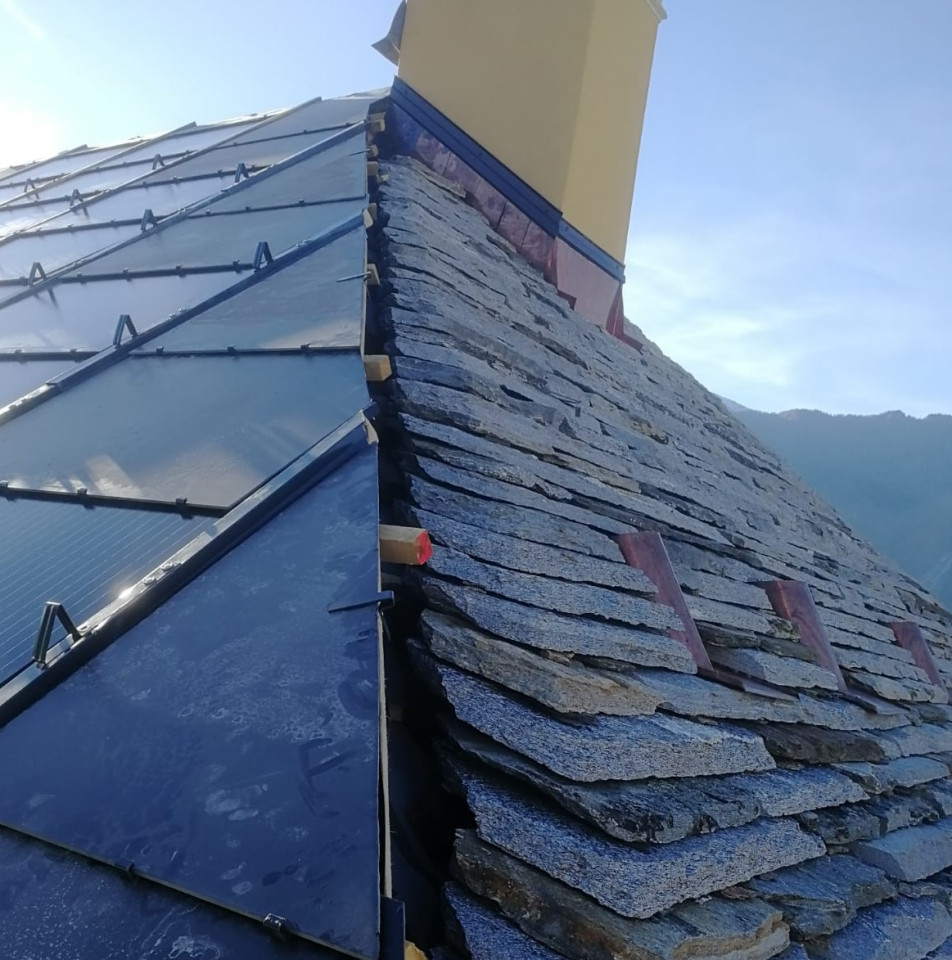
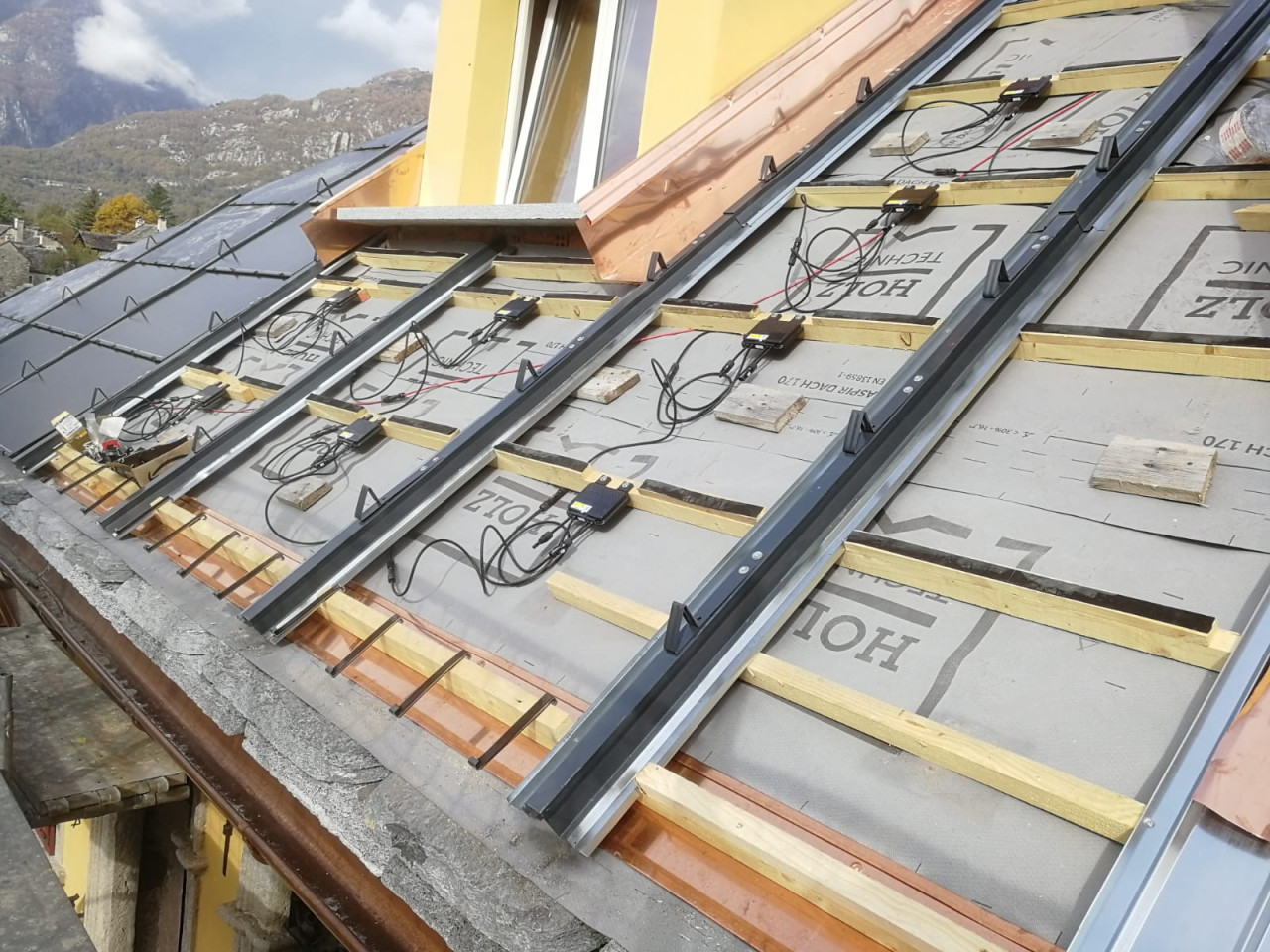
A building-integrated photovoltaic roof made of small-format glass-glass monocrystalline silicon tiles by Gruppo STG was installed on the south- and east-facing slopes. The frameless tiles act as both weatherproof covering and solar generator, aimlessly replacing the original stone slabs. Cabling, DC optimisers and an accompanying battery storage unit are hidden beneath the roof structure for a clean historic appearance.

Why Does it work?

It works because the glass-glass monocrystalline tiles form a watertight, ventilated roof that is optimally tilted toward the sun, allowing high photovoltaic efficiency with passive cooling. At the same time, their frameless dark finish convincingly replicates the historic stone slabs, satisfying heritage-protection rules and enabling renewable generation without aesthetic compromise.

PROS
  • Heritage-compatible BIPV roof tiles on the south and east slopes—out of public view and colour-matched—preserved the listed building’s morphological and chromatic character; optical-cone analysis indicated no perceptible change to the façade. A bespoke mounting solution hides cabling and provides under-tile ventilation, while module-level optimizers improve performance and enable monitoring—an approach that proved procedurally straightforward even in a protected context.
CONS
  • The bespoke glass-glass tiles are considerably more expensive per kWp than standard modules and require specialist installers, raising the project’s upfront cost. Because each tile is part of the weatherproof envelope, any failure or upgrade demands careful dismantling of the roof section, complicating maintenance.
Type of installation
Replacement (building integrated - BIPV)
Part of the building
Roof only
Mounting system
aluminium frame
Orientation
South, East
Slope
38
Area (m²)
37.5
Availability
Yes, available on the market
Manufacturer
GruppoSTG
Model
Tegola Fotovoltaica® (nero)
PV module format
Customized modules
PV module format max
1000 × 750 × 9 mm
PV module type
Glass-Glass
PV cells technology
c-silicon
PV module efficiency
15,84%
Total PV power
6.5 kW
Surface PV power (W/m²)
information not available
PV energy production
information not available
Weight
17,3 kg per pezzo
Dummy modules used?
No
Frame
No
Overlapping
No
Colorization
No (black modules)
Colorization technology
Other
Glass structure
Shiny (with antireflection)
Additional documentation

Before retrofit

After retrofit

Assessment

PV installation type
Replacement (building integrated - BIPV)
PV position
Roof only
Coloured PV
No
Module efficiency
15% < Efficiency <= 20%
Building alteration
Yes but the process was done reversibly ensuring that the original components of the building could be restored if needed
Investment cost
Medium High
Investment cost (Additional info)
Custom photovoltaic tiles are generally more expensive per kWp compared to traditional photovoltaic modules, both in terms of materials and manufacturing.
Circular approach
No
Circular approach (Additional info)
The solution is designed for durability and partial reversibility: the tiles can be repaired or replaced individually

Location

Montecretese, Italy - 445m
Climatic Zone:Dfc